


Bikaner


Vibe Check – What Bikaner Feels Like
If Jaipur is pink and Jaisalmer is gold, Bikaner is the fiery red sibling that refuses to blend in. The city rises out of the desert like it’s been dipped in chili powder and sandstone dust. Less touristy than Jaipur, less “Insta-famous” than Jaisalmer, Bikaner is Rajasthan with fewer filters—and that’s its charm.
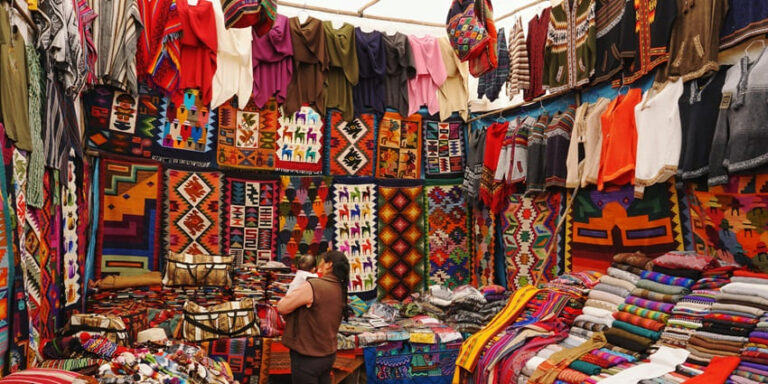
The vibe? A little gritty, unapologetically local, but sneakily elegant once you scratch the surface. Here you’ll see camel carts jostling with scooters, saree shops blasting Bollywood remixes, and snack stalls perfuming the air with fried bhujia. Yet step into the old havelis, and you’ll find the kind of intricacy that could shame Parisian lace. Bikaner doesn’t shout its beauty. It lets you stumble upon it.
Hidden Histories – Why It’s Pink
Founded in 1488 by Rao Bika (hence the name Bikaner), the city was never meant to be just another desert outpost. Bika wanted his own kingdom, separate from his father’s Jodhpur clan. That streak of independence still lingers in the city’s DNA—you feel it in the confident gait of locals and the fierce pride they take in their heritage.
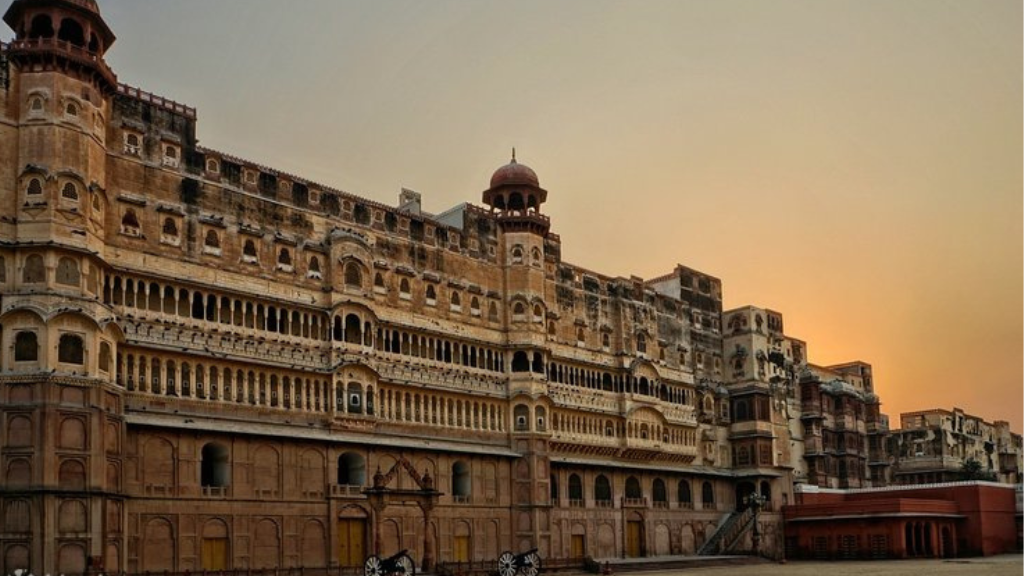
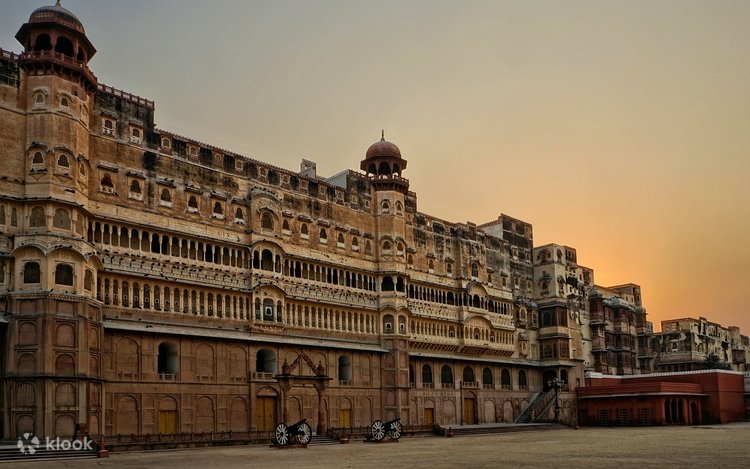
The Junagarh Fort is the centerpiece. Unlike most Rajasthani forts perched on hills, this one sits flat in the desert plains. Its walls are less about intimidation, more about artistry. Step inside and you’ll find palaces decorated with mirror work, frescoes, and gold leaf ceilings that look like they belong in an opera house, not a desert.
Fun trivia: Junagarh Fort has never been conquered. That’s right, not once in over 400 years of desert drama. The fort quietly flexes its unbeaten status without needing to brag.
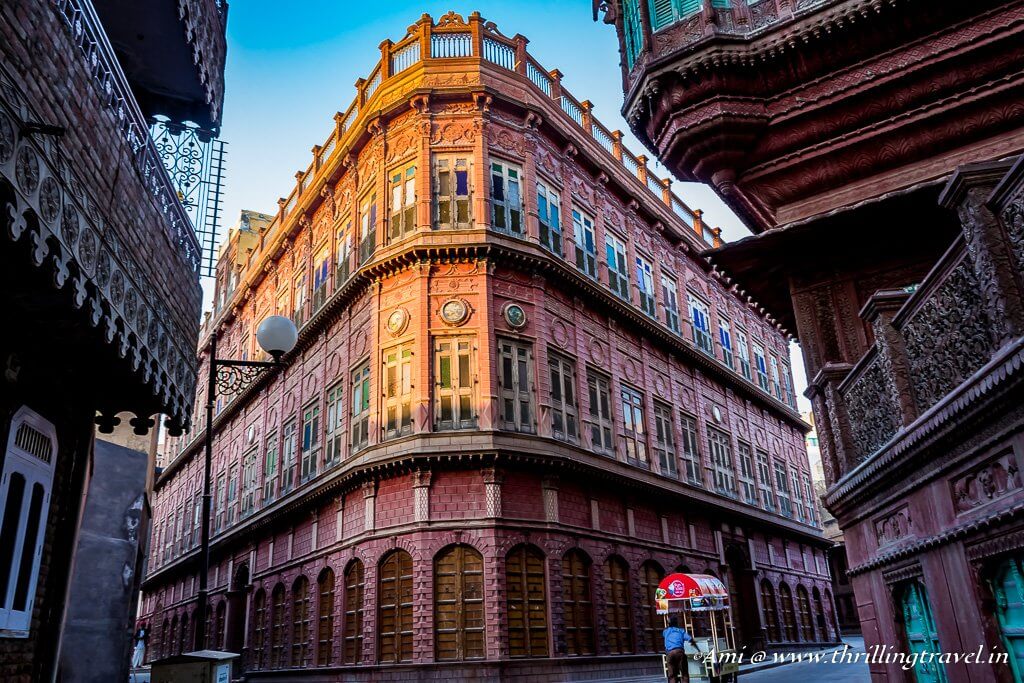
And then there are the havelis in the old city. The Rampuria Havelis are Bikaner’s claim to architectural fame—red sandstone mansions with such ornate facades, you half-expect them to blink. Locals call them the “pride of Bikaner,” and rightly so. They look like someone took a Rajasthani palace, shrank it, and squeezed it into a narrow lane.
Experiences & Oddities – Bikaner After Hours


Ready to plan your adventure?
Whatever you want from your trip, our team of expert travel designers are ready to help.
Where to Wander – Beyond the Postcards
Rampuria Haveli Lane
The Instagram hotspot. Early mornings are best, before the wedding shoots and tourist groups take over. Stand still for a moment, and you’ll hear echoes of merchants counting coins from a century ago.
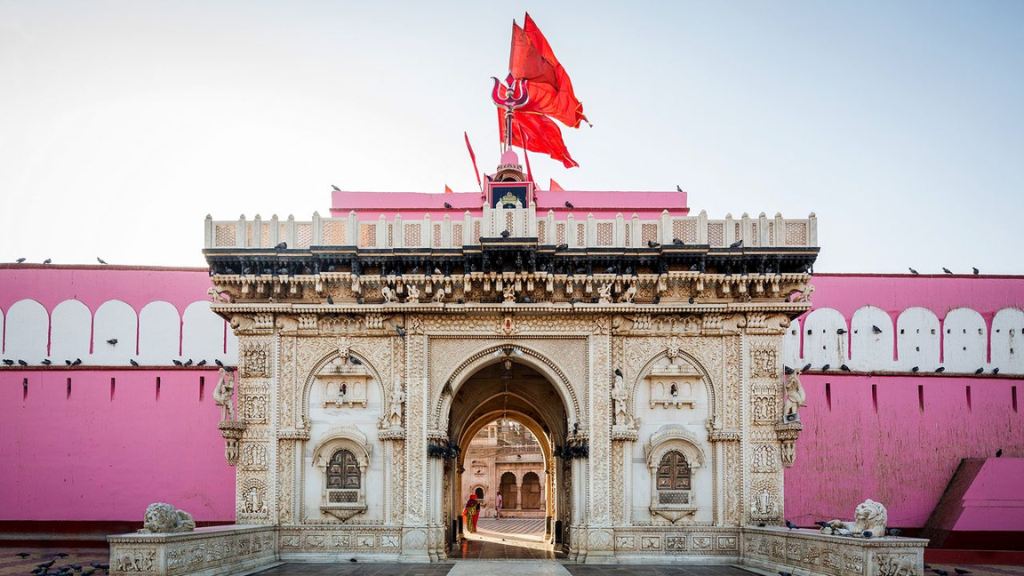
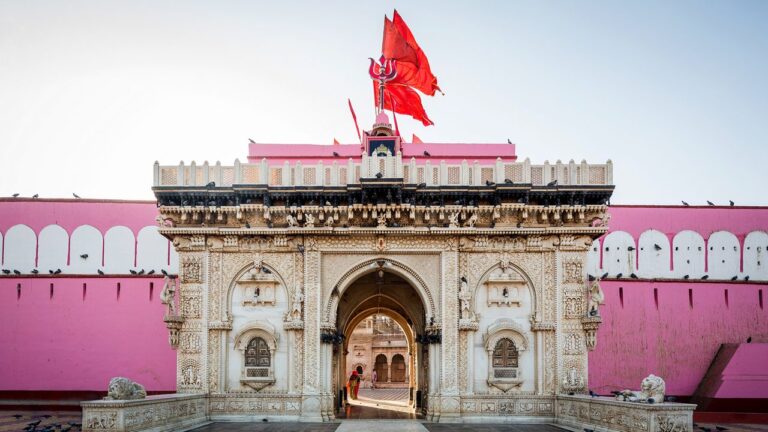
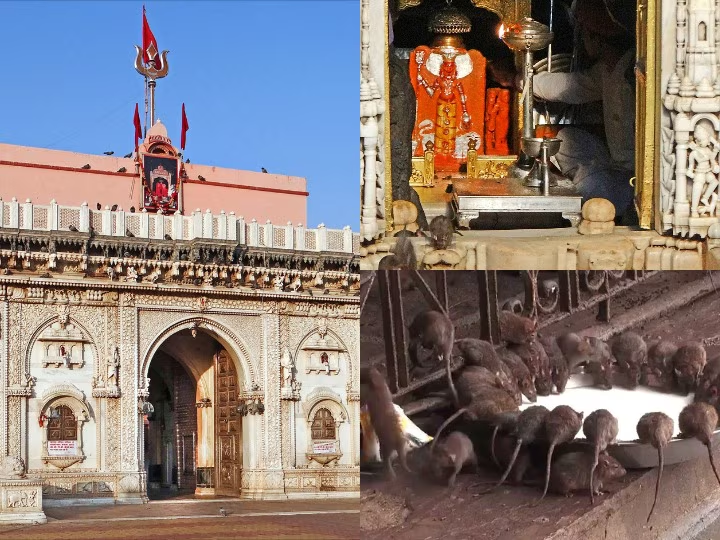
Karni Mata Temple
Yes, it’s exactly what it sounds like. Thousands of rats live here, worshipped as holy incarnations. Pilgrims feed them milk, and spotting a white rat is considered lucky. Quirky? Definitely. Unforgettable? 100%.
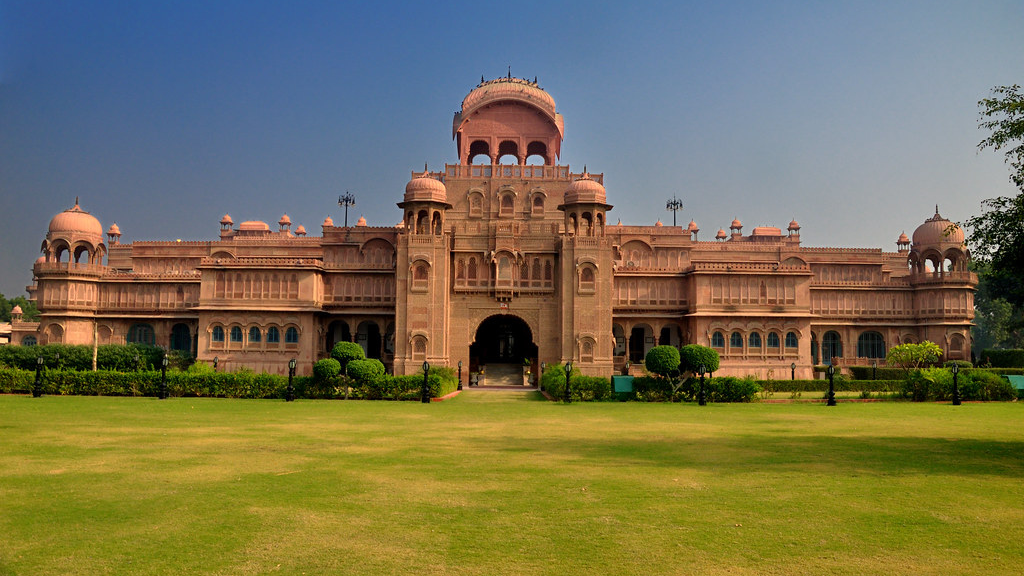
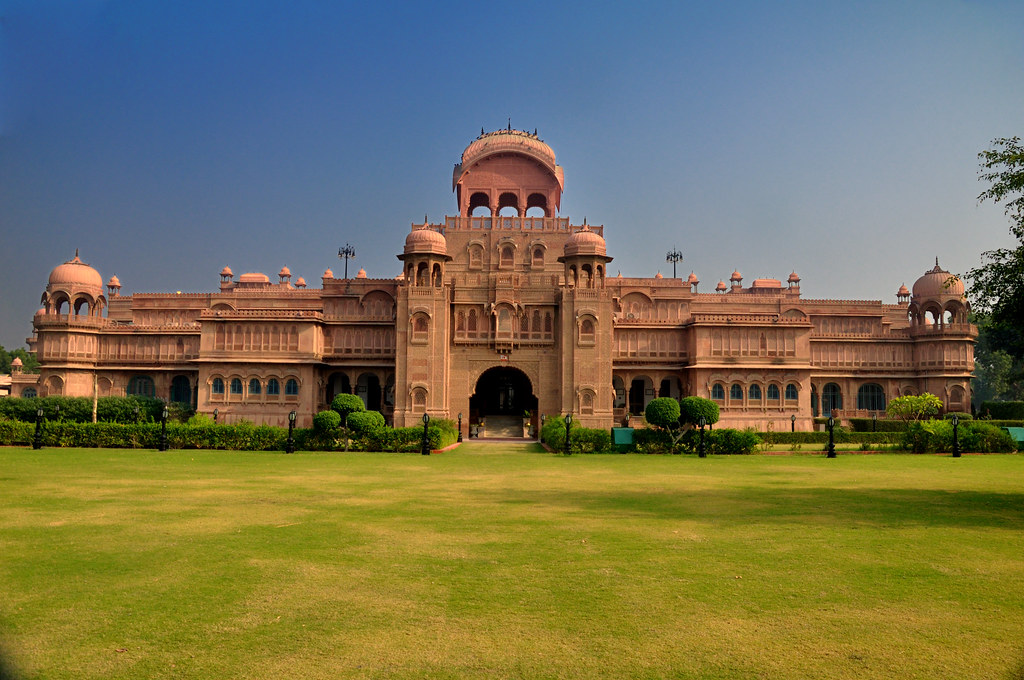
Lalgarh Palace
A blend of Rajput, Mughal, and European architecture. Now partly a heritage hotel, it’s all sweeping lawns, grand corridors, and hunting trophies that whisper colonial excess.
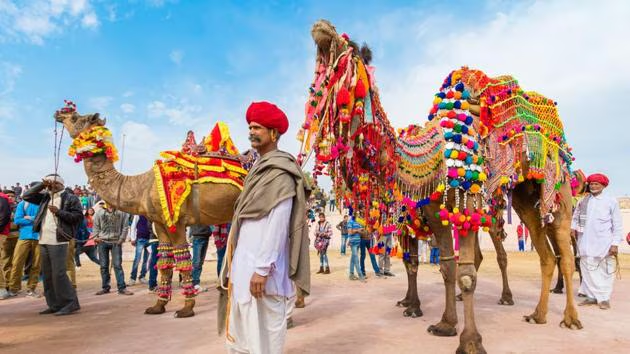
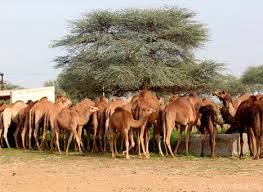
National Research Centre on Camels
This is Bikaner’s wild card. A government-run camel research farm where you can learn about camel breeding, drink camel milk ice cream (yes, it’s a thing), and watch baby camels wobble around like desert toddlers.
Food & Flavors – Where Spice Meets Sweet
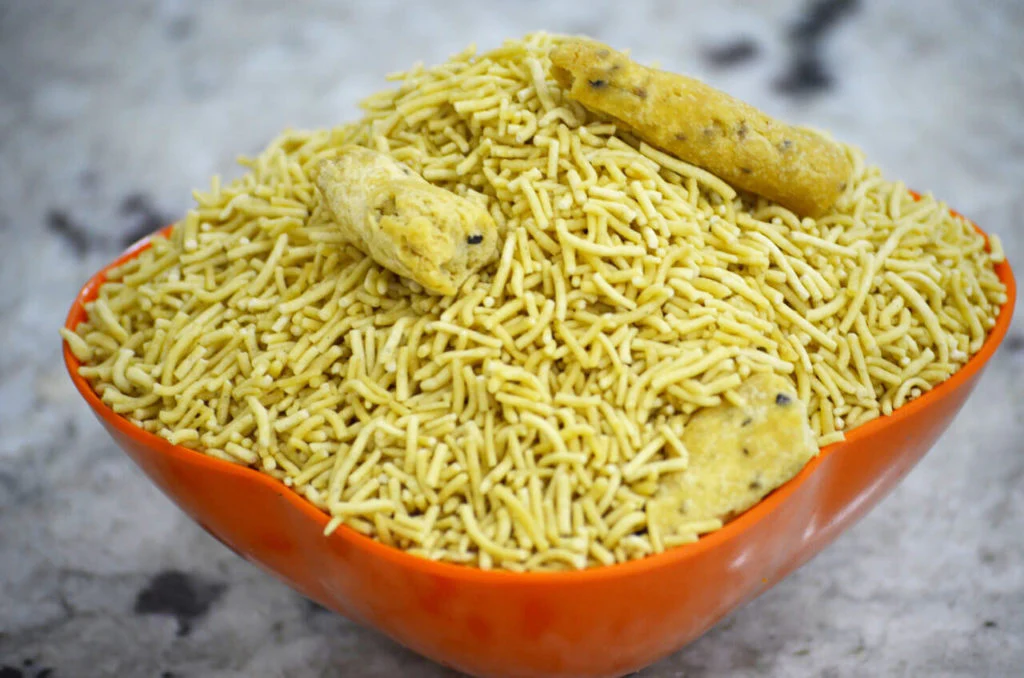
Bikaner is a foodie’s jackpot—specifically if your soul belongs to fried snacks. Forget Michelin stars; this is the birthplace of Bikaneri Bhujia, the crunchy, spicy fried noodle that has achieved global fame. The city’s pride is packed into every yellow Haldiram’s packet around the world, but here, you taste the real deal—fresh, spiced, and addictive.
Bhujia
Spiced with moth beans and gram flour, fried crisp, sprinkled with secret masalas. Locals eat it with chai, beer, or honestly, just by itself
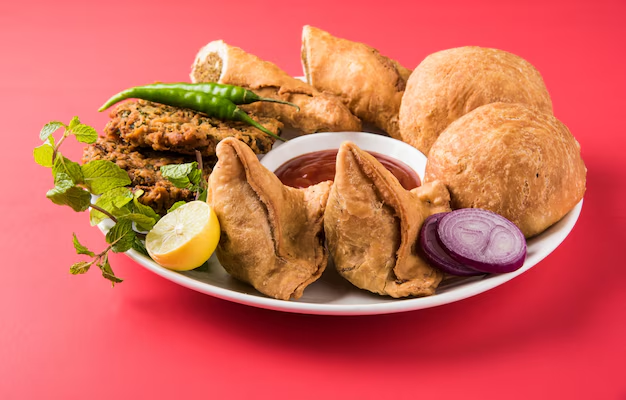
Kachori & Samosa
Bikaner takes its fried snacks very seriously. Try pyaaz kachori (stuffed with onions and spices), and brace yourself for flavor fireworks.
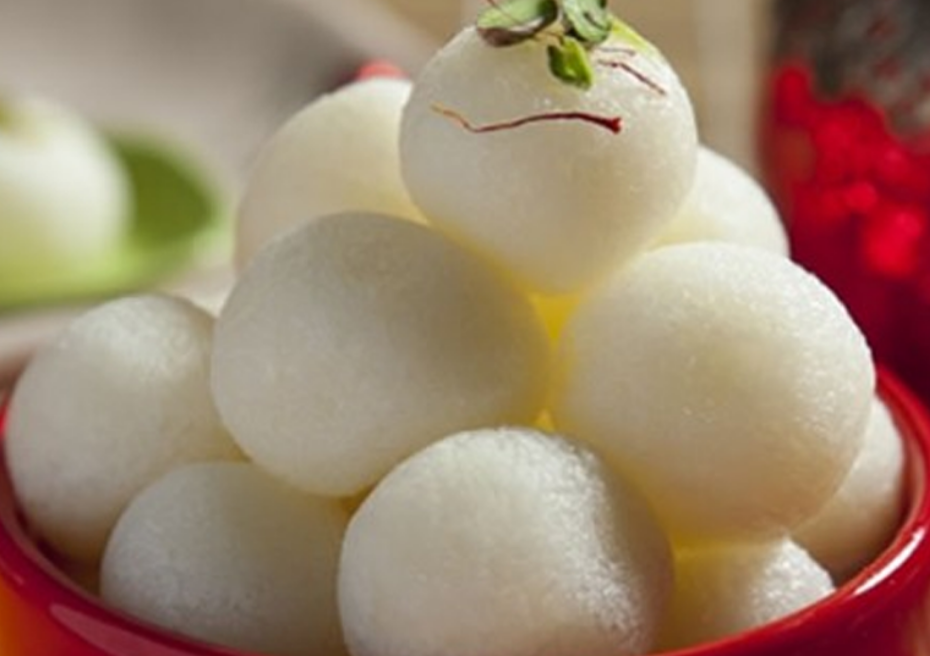
Rasgulla
Move over, Bengal. Bikaner claims its own version of the syrupy sweet, slightly firmer but just as indulgent.
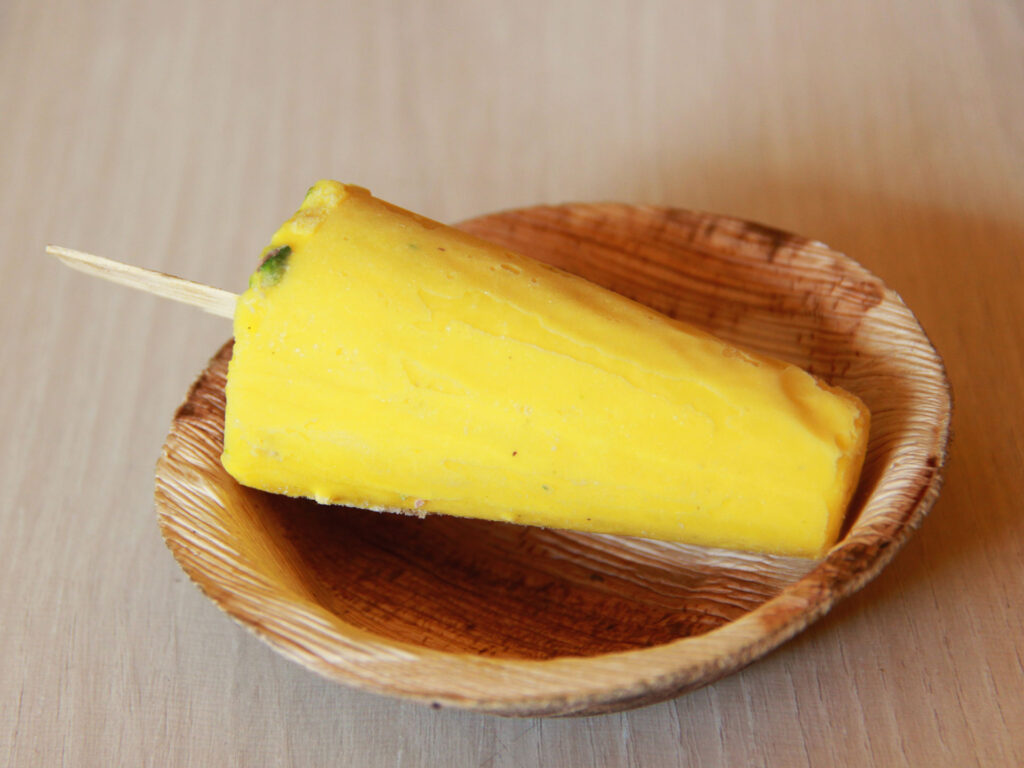
Camel Milk Kulfi
A novelty, but surprisingly creamy and not as strange as it sounds. Try it at the Camel Research Centre for bragging rights.
The Soul of Bikaner – Between Spice and Sand
What makes Bikaner unforgettable isn’t just the architecture or the bhujia. It’s the rhythm of the city. A shopkeeper sprinkling extra masala on your snack, just because you look curious. A kid guiding you through a maze of lanes, then demanding a selfie as “payment.” A local casually telling you, “Rats here are family,” without blinking an eye.
Bikaner thrives on its eccentricities. It’s a place where snacks become legends, camels are celebrities, and history whispers from red walls without turning into a cliché.
Peak Season
Best Seasons & Smart Hacks
Best Time
November to February. Winter mornings are crisp, afternoons warm, evenings perfect for street food crawls. Summers? Avoid unless you want to know what it feels like to live in an oven.
Festival Hack
Plan around the Camel Festival for maximum quirk. Hotels fill up quickly—book early.
Stay Hack
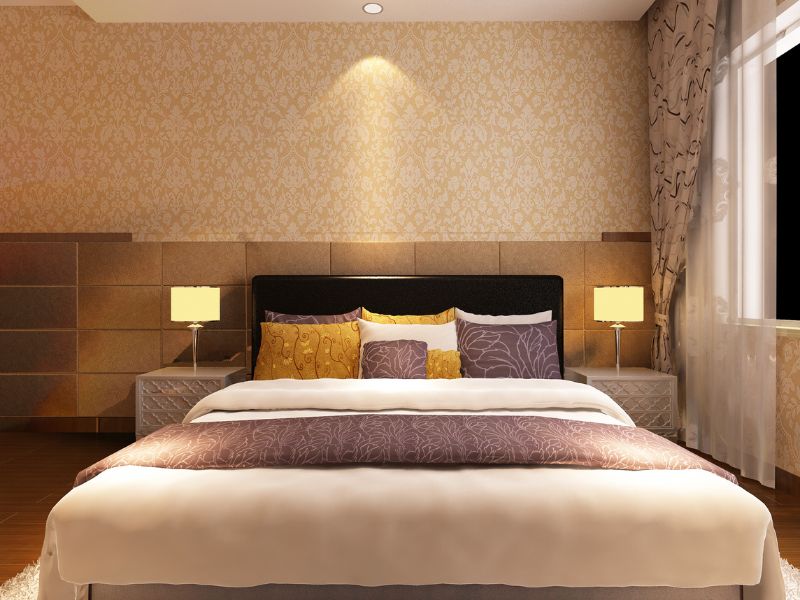
Heritage hotels like Laxmi Niwas Palace give you that royal vibe, but budget travelers can score charming havelis in the old city for a fraction of the cost.
Transport Hack
Auto-rickshaws are cheap but confirm fares before hopping in. Better yet, walk—the city is compact, and half the fun is in the meandering.
Why book with Paniharin Travels
Personalised design
We’ll plan your trip around your personal interests, tastes and preferences, providing honest advice based on first-hand knowledge.
Authentic experiences
Positive Impact
We seek out unforgettable experiences that benefit both local communities and the environment.
Testimonials
What Client's Say?
How to Reach Bikaner ?
- By Train
- By Air
- By Road
Plan your trip to
Bikaner
Bikaner is Rajasthan’s rebel—less polished, more fiery, and infinitely more flavorful. Come for the bhujia, stay for the stories, and leave with red sandstone dust clinging to your shoes.